
Medical Assistant
29 Credit Technical DiplomaProgram Description
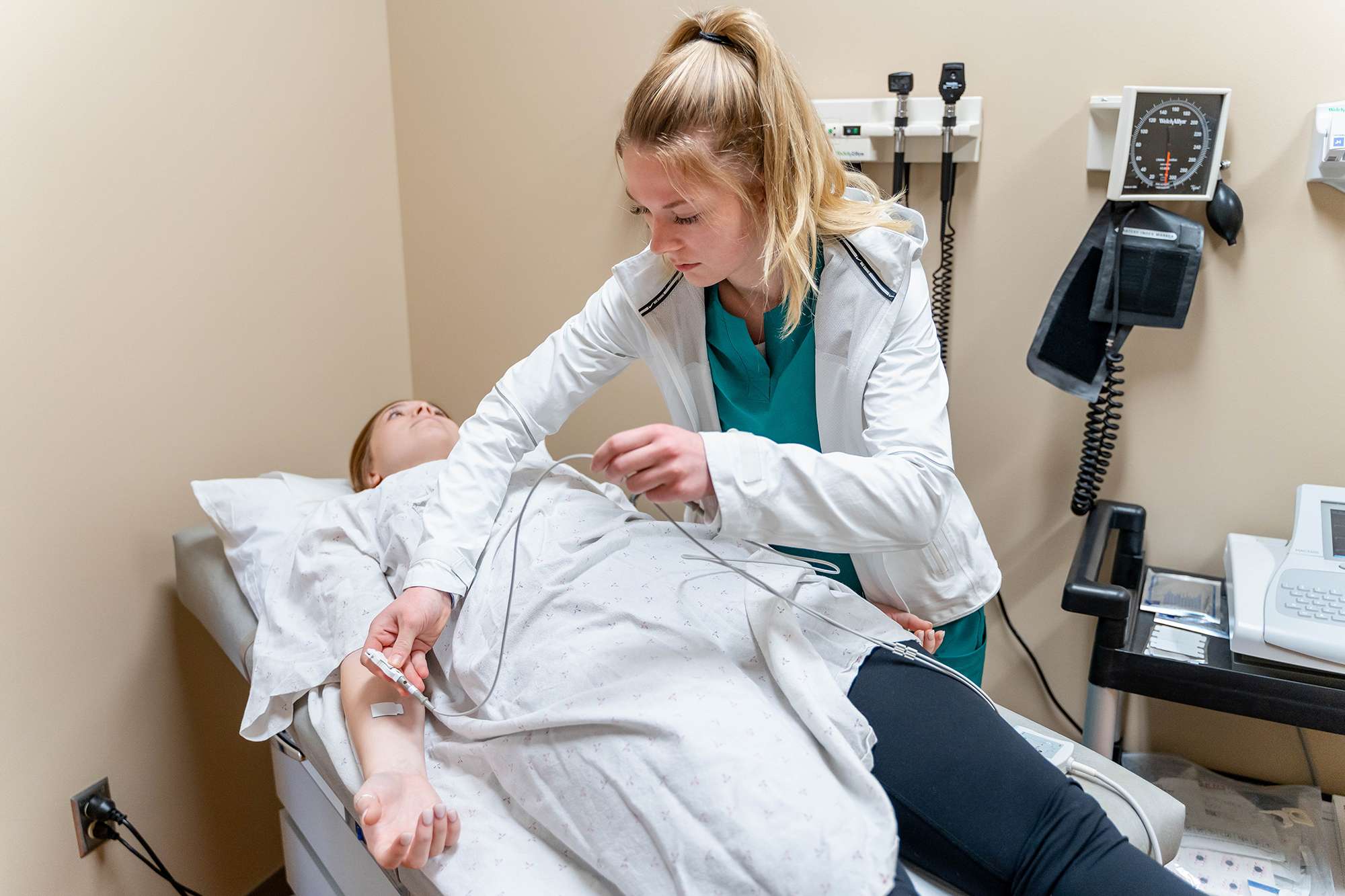
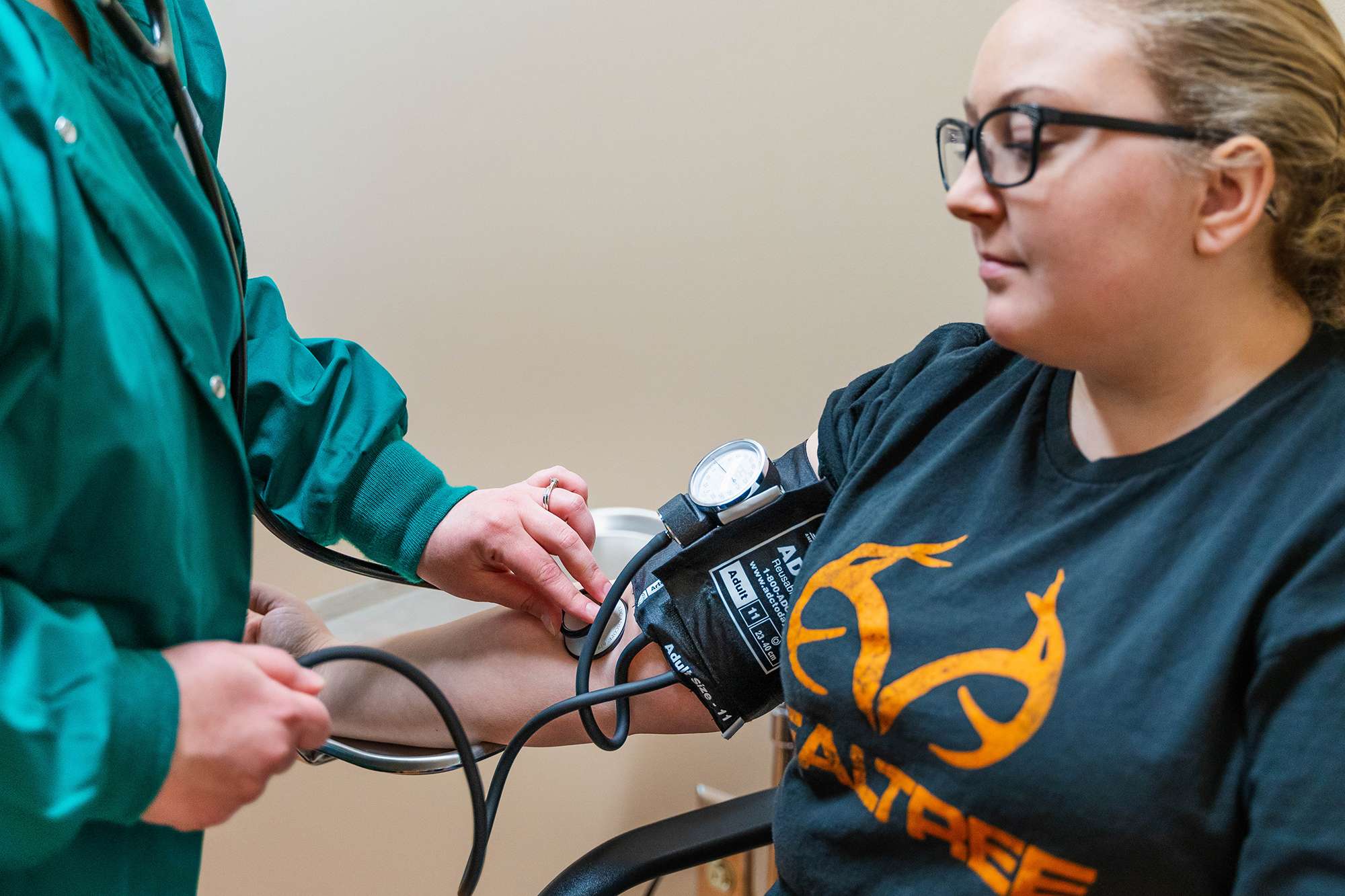
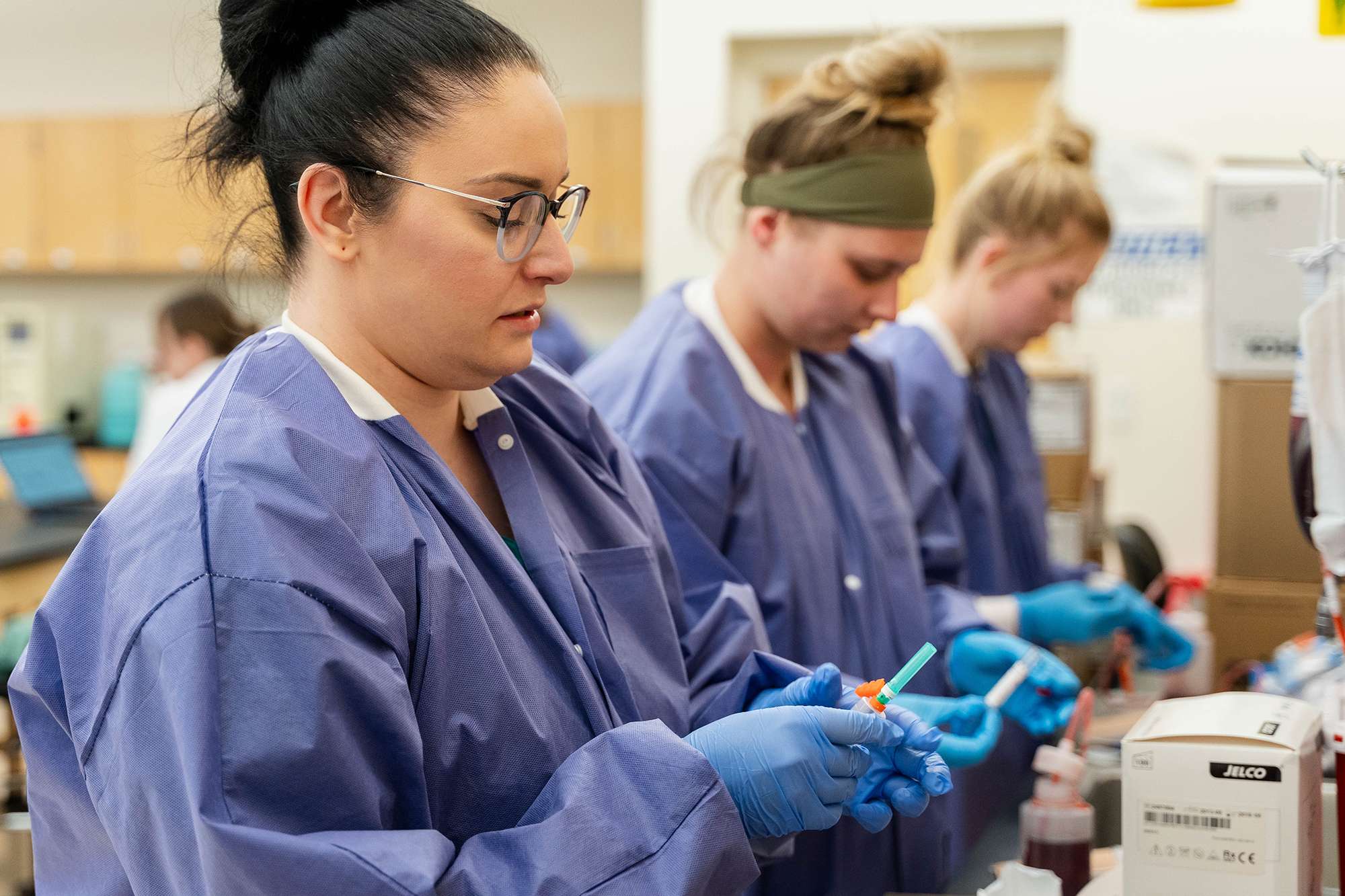
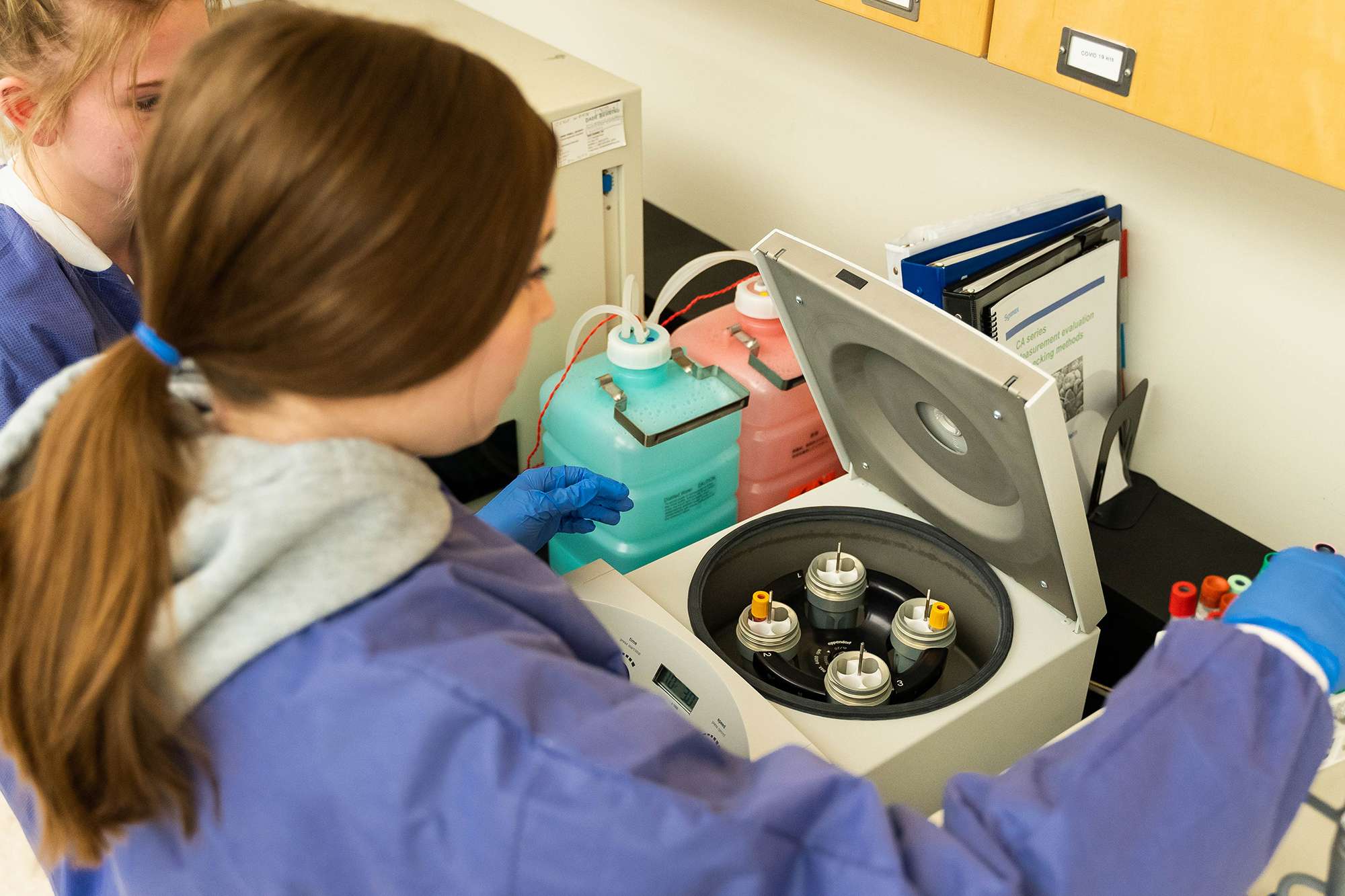
The Medical Assistant Technical Diploma program prepares individuals to be multi-skilled health professionals specifically educated to assist healthcare clinicians in their offices or other ambulatory medical settings. Medical Assistants perform a wide range of administrative, clinical and laboratory duties. Administrative responsibilities may include patient reception, appointment scheduling, record keeping, filing, billing, transcription and electronic medical records documentation. Laboratory responsibilities may include specimen collection, performance of basic laboratory tests and microscopic analysis. Clinical responsibilities may include taking vital signs, assisting providers with examinations and surgery, medical and surgical asepsis, and administering ECGs and medications. The practice of medical assisting directly influences the public’s health and well-being and requires a mastery of a complex body of knowledge with specialized skills requiring formal education and practical experience that serve as standards for entry into the profession. The goal of Northcentral Technical College’s Medical Assistant Technical Diploma program is to prepare medical assistants who are competent in the cognitive (knowledge), psychomotor (skills), and affective (behavior) learning domains to enter the profession. Accreditation Information: The Medical Assistant Technical Diploma program is accredited by the Commission on Accreditation of Allied Health Education Programs (www.caahep.org) upon the recommendation of Medical Assisting Education Review Board (MAERB). Commission on Accreditation of Allied Health Education Programs, 9355 113th St. N, #7709, Seminole, FL 33775, 727.210.2350.
Please note: This program is subject to the Clock-to-Credit Hour Conversion and some courses listed will not be eligible for full financial aid funding based on the program’s credit hours.
This program may require a Criminal Background Check and/or Health Record
Acceptance to Northcentral Technical College will not be denied based on a criminal background or health record.
Found in These Career Fields:
Approximate Program Cost
$6,001
Tuition & Fees:
$5,659
Books & Supplies: $342
Books & Supplies: $342
Starting Salary
$26,133–$39,977
Average,
based on the NTC Graduate Outcomes Report
Financial Aid
Available
Total financial aid offered may not exceed the estimated Cost of Attendance (COA).
Media from the Medical Assistant Program





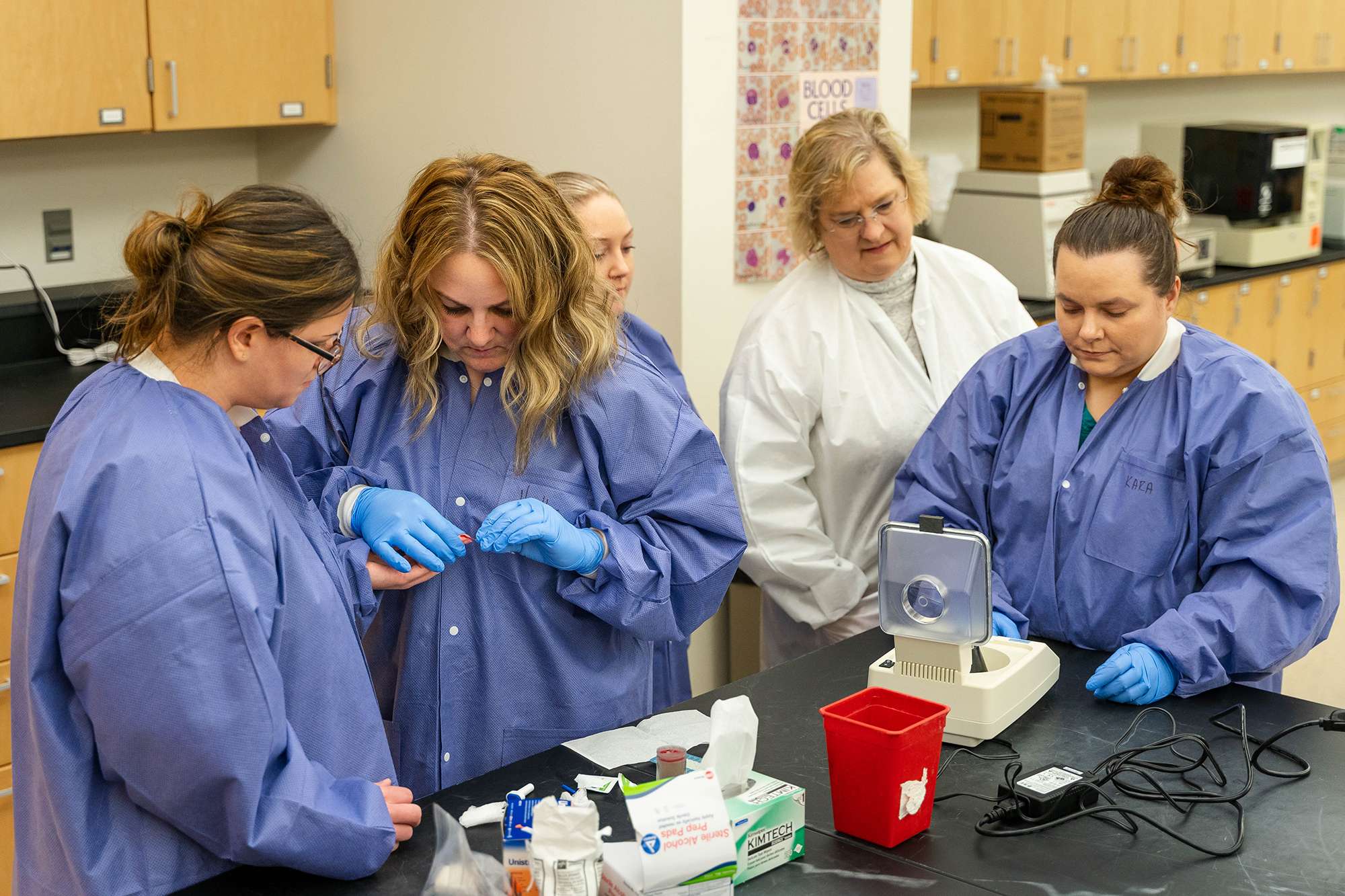
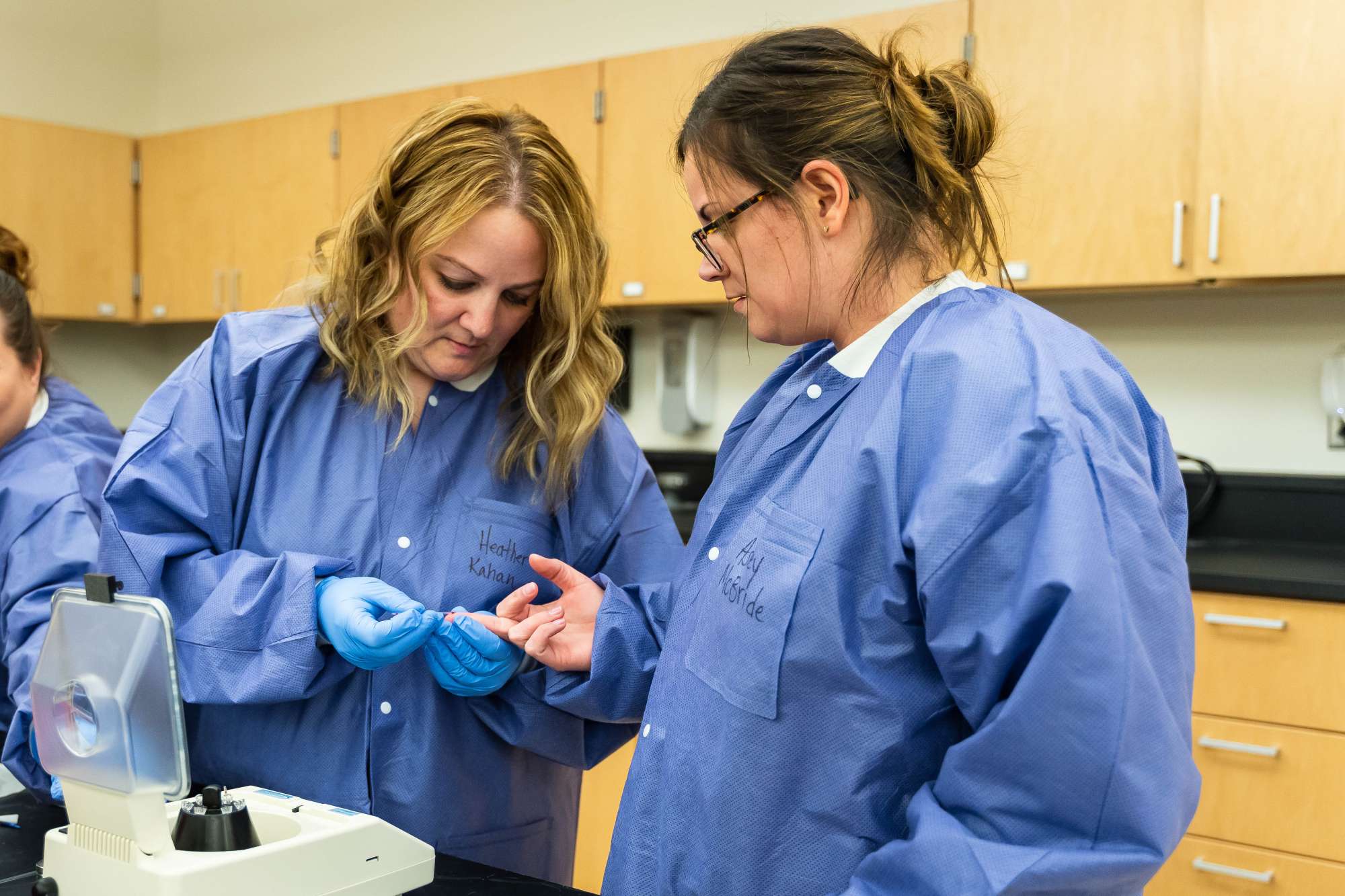
A Closer Look
Detailed Program Information
Take a deeper dive into the details of this program. This section offers information to help you evaluate whether the program fits your goals, interests, and timeline. Use it as a tool to guide your decision-making process.
Availability
Courses for this program may be available at a variety of campus locations through multiple modes of delivery if you meet the admission requirements and prerequisites.
* Campus and online availability of courses and programs may be subject to change.
Outcomes
Graduates will be able to…
Careers
Some of the potential careers graduates can pursue are:
Courses
The Medical Assistant Technical Diploma is a 29 credit program.
Please note: This program is subject to the Clock-to-Credit Hour Conversion and some courses listed will not be eligible for full financial aid funding based on the program’s credit hours.
Credit for Prior Learning Available
* College 101 (10-890-165) is not part of the program credit requirements but is a College Requirement for graduation that must be passed with a “C” or better.
View All Detailed Course Information
Accreditation
The Northcentral Technical College Medical Assistant Technical Diploma is accredited by the Commission on Accreditation of Allied Health Education Program upon the recommendation of the Medical Assistant Education Review Board (MAERB). Commission on Accreditation of Allied Health Education Programs, 9355 113th St. N, #7709, Seminole, FL 33775, 727.210.2350.
Annual Outcomes Data
These outcomes are from the 2025 Annual Report Form:
| Date | Retention | Job Placement | Exam Passage |
|---|---|---|---|
| 2024 | 100.00% | 90.91% | 90.00% |
| 2023 | 86.67% | 72.73% | 88.89% |
| 2022 | 100.00% | 83.33% | 81.82% |
| 2021 | 91.67% | 100.00% | 87.50% |
| 2020 | 68.18% | 80.00% | 93.75% |
| Five-year Average | 87.65% | 84.38% | 88.89% |
Transfer Information
The following transfer guides, executed in partnership with post-secondary institutions, are based on agreements that allow you to continue your program at another college.
Purdue Global
Cost of Attendance
2026–2027 Estimated Academic Year Budgeted Cost of Attendance
The estimated Cost of Attendance (COA) is a budget that includes categories of expenses that a student may incur while attending NTC. The COA does not reflect actual charges. It is an average based on the estimated living costs typical of our region. In determining the cost of attendance, Northcentral Technical College takes into consideration the budget established by the Wisconsin Technical College System (WTCS) Financial Aid Budget Work Group. This budget is used to determine financial need for all students who apply for financial aid. A student’s cost of attendance is composed of all educational expenses that can be included for financial aid purposes that a student may accrue while pursuing their education for the year (or semester, if enrolled less than a year). A student’s financial aid cannot exceed their cost of attendance. Schools are required to provide a fuller picture of what it may cost students to pursue their degree, not just what they will owe in tuition/fees and books/supplies. The costs displayed below are estimates based on a 16-week semester or term enrollment. Expenses such as food and housing, personal or transportation may be less based on the weeks you are enrolled.
- Full Time: 12 or more credits
- 3/4 Time: 9 to 11 credits
- 1/2 Time: 6 to 8 credits
- Less Than 1/2 Time: 1 to 5 credits
| Expense Category | Full Time | 3/4 Time | 1/2 Time | Less Than 1/2 Time |
|---|---|---|---|---|
| Tuition and Fees* | $2,620 | $1,965 | $1,310 | $655 |
| Books, Course Materials, Supplies and Equipment | $732 | $549 | $366 | $183 |
| Living Expenses (Housing & Food) | $5,455 | $5,455 | $5,455 | $0 |
| Miscellaneous Personal Expenses | $1,542 | $1,542 | $1,542 | $0 |
| Transportation | $1,950 | $1,950 | $1,950 | $1,950 |
| Federal Loan Fees | $43 | $43 | $43 | Not applicable |
| Professional Licensure / Certification† | $125/$135 | $125/$135 | $125/$135 | $125/$135 |
| Total Estimated Cost of Attendance | $12,467/$12,477 | $11,629/$11,639 | $10,791/$10,801 | $2,913/$2,923 |
| Expense Category | Full Time | 3/4 Time | 1/2 Time | Less Than 1/2 Time |
|---|---|---|---|---|
| Tuition and Fees* | $2,620 | $1,965 | $1,310 | $655 |
| Books, Course Materials, Supplies and Equipment | $732 | $549 | $366 | $183 |
| Living Expenses (Housing & Food) | $1,612 | $1,612 | $1,612 | $0 |
| Miscellaneous Personal Expenses | $1,542 | $1,542 | $1,542 | $0 |
| Transportation | $1,950 | $1,950 | $1,950 | $1,950 |
| Federal Loan Fees | $43 | $43 | $43 | Not applicable |
| Professional Licensure / Certification† | $125/$135 | $125/$135 | $125/$135 | $125/$135 |
| Total Estimated Cost of Attendance | $8,624/$8,634 | $7,786/$7,796 | $6,948/$6,958 | $2,913/$2,923 |
* Tuition listed is based on approved rates for the 2026–2027 academic year. Rates are approved each March by the Wisconsin Technical College System Board. Your tuition cost is based on your enrollment level. These will appear on your bill and account.
† Certified Medical Assistant (AAMA): $125 (incurred during second semester of program) or Registered Medical Assistant (AMT): $135 (incurred during second semester of program).
For more information regarding billed tuition and fees, visit our Tuition & Fees page.
Students awarded Federal Direct Loan(s) also have an average of the mandatory loan fees automatically added to their COA.
Students with disability-related expenses may contact the Financial Aid Office to have their additional expenses considered. Disability-related expenses include but are not limited to: personal assistance, equipment, and supplies. The Financial Aid Office may potentially include disability expenses in the COA that are not provided by other assisting agencies.
NTC also offers a Net Price Calculator to help estimate costs.
We’re happy to answer any questions you may have about how the financial aid process works. Please feel free to reach out for more information.
-
NTC Financial Aid Office
- 715.803.1647
- financialaid@ntc.edu
Additional Information
Student Handbook
View the student handbook for more detailed information about the Medical Assistant program including: program outcome statistics, a listing of clinical sites, student policies, and faculty and staff contact information.
Clock-to-Credit Hour Conversion
This program is subject to the Clock-to-Credit Hour Conversion and some courses listed will not be eligible for full financial aid funding based on the program’s credit hours.
| Term | Course | Credit Hours | Financial Aid Credit Hours |
|---|---|---|---|
| 1 | COLLEGE 101 | 1 | 0.6 |
| 1 | MEDICAL TERMINOLOGY | 3 | 1.8 |
| 1 | MEDICAL ASST ADMIN PROCEDURES | 2 | 2 |
| 1 | HUMAN BODY IN HEALTH & DISEASE | 3 | 3 |
| 1 | MEDICAL ASST LAB PROCEDURES 1 | 2 | 2 |
| 1 | MEDICAL ASST CLIN PROCEDURES 1 | 4 | 4 |
| 2 | MED ASST LAB PROCEDURES 2 | 2 | 2 |
| 2 | MED ASST CLIN PROCEDURES 2 | 3 | 3 |
| 2 | PHARMACOLOGY FOR ALLIED HEALTH | 2 | 2 |
| 2 | MED OFFICE INSURANCE & FINANCE | 2 | 2 |
| 2 | MEDICAL LAW, ETHICS & PROFESSIONALISM | 2 | 2 |
| 2 | MEDICAL ASSISTANT PRACTICUM | 3 | 3 |
For more information, please refer to our Financial Aid Policies.
Scholarship Opportunities
Additional funding may be available to assist with your training through external sources.
Functional Ability Criteria
NTC has developed functional ability criteria that students must meet with or without reasonable accommodations. It is the intent of NTC to fully comply with Section 504 of the Rehabilitation Act of 1973, the Americans with Disabilities Act (ADA) of 1990 and the ADA Amendment Act of 2008. NTC offers reasonable accommodations to students with a disability. Reasonable accommodations include modifications or adjustments that allow individuals with disabilities to gain equal access and have equal opportunities to participate in NTC’s courses, services, activities and use of NTC’s facilities.
Gross Motor Skills
Students must be able to:
Fine Motor Skills
Students must be able to:
Physical Endurance
Students must be able to:
Physical Strength
Students must be able to:
Mobility
Students must be able to:
Hearing
Students must be able to:
Vision
Students must be able to:
Environment
Students must be able to:
Tactile
Students must be able to:
Reading
Students must be able to:
Math
Students must be able to:
Interpersonal Skills
Students must be able to:
Communication Skills
Students must be able to:
Emotional Stability
Students must be able to:
Critical Thinking
Students must be able to:
Analytical Thinking
Students must be able to:
Admissions Process
Our application process takes just a few minutes to complete, but we want to make sure you have the things you’ll need on hand to complete the application. We’re here to help if you have any questions while submitting your application.
Before you apply, you should know
- This program may require a Criminal Background Check and/or Health Record. Acceptance to Northcentral Technical College will not be denied based on a criminal background or health record, however, a check may be required for placement at clinical sites or field experiences.
- Current Basic Life Support (BLS) CPR certification is required prior to starting program courses or within the timeframe discussed at program orientation. Accepted certifications include BLS CPR from American Heart Association or American Red Cross.
- Northcentral Technical College offers programs designed to meet educational requirements leading to licensure or certification that may be required for employment in certain professions. Learn more about professional licensure for this program.
Fill out our application
The application can be submitted online and takes just a few minutes to complete. There is no fee to apply.
Apply NowThen, submit one of the following
Documentation can be sent via email to admissions@ntc.edu, via mail, addressed to: Northcentral Technical College, ATTN: Admissions, 1000 W. Campus Drive, Wausau, WI 54401, or delivered in person to any NTC campus.
- High school transcript indicating a cumulative GPA of 2.5 or above. Contact the high school you attended if you do not have a copy of your transcript.
- ACT composite score of 16 or above. Request an ACT College Report from ACT or contact the high school you graduated from if you do not have a copy on hand.
- Accuplacer scores. Score requirements vary by program and version of the Accuplacer test that was taken. For more details, please contact Admissions. If you did not take the Accuplacer at NTC, contact the college at which you took it to obtain a copy of your scores.
- College transcript indicating a cumulative GPA of 2.5 over a minimum of 12 credits, earned at a single college.
If you do not meet any one of the above criteria, don’t worry, complete the application anyway and we will contact you to discuss your options.
What’s Next?
We’ll review your application and let you know if we need anything else. If you’re all set, your acceptance letter will be emailed to you.